 Storm Water Pollution Tracker
Data-driven tools to improve sweeping efficiency, reduce stormwater pollution, and optimize municipal operations.
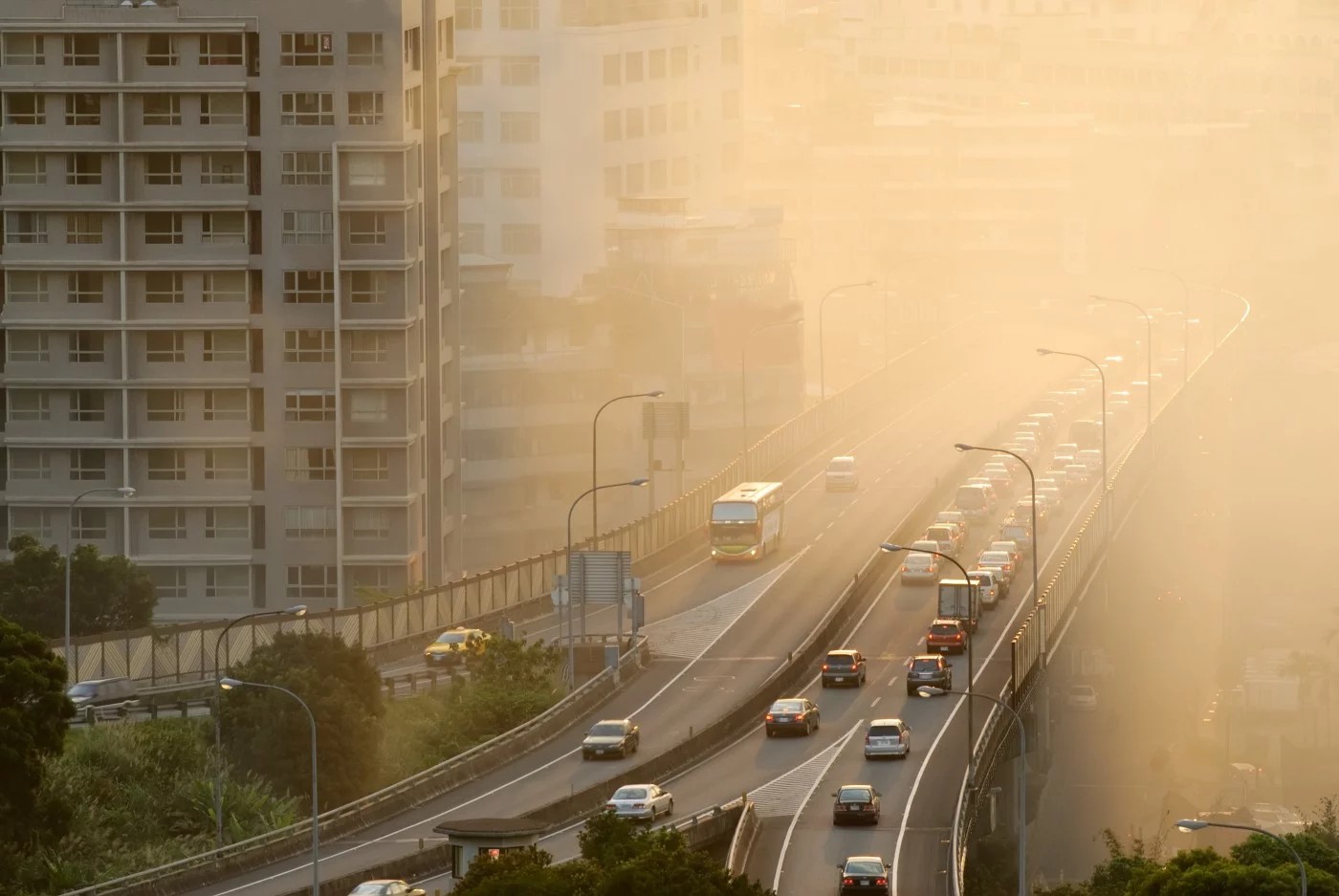
Urban streets accumulate excess pollutants such as sediment, metals, nutrients, and hydrocarbons. Up to 9000 pounds of these materials build up on every mile of roadway.
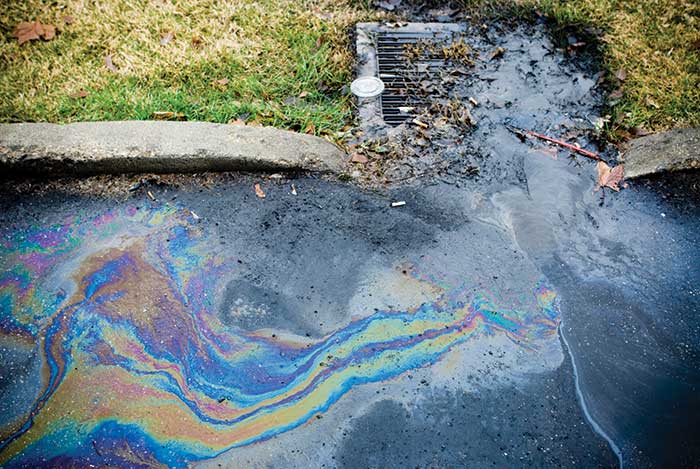
Stormwater runoff transports these pollutants directly into local waterways every rain event. After long dry periods, this excess in pollutant discharge can shock and severely harm ecosystems
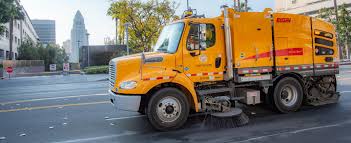
Street sweeping can be an extremely cost-effective pollution control measure, but only when strategically scheduled and targeted. Data-driven street sweeping programs are promised to make a big impact in water quality improvements.
Model buildup, washoff, and sweeper removal to calculate polluton reduction across your road network.

Rank road segments using environmental and social weighting factors to target areas of concern.
Find the most efficient sweeper routes and cost-effective sweeping schedule for your sweeping program.
Provide a GeoJSON or ZIP shapefile of your city’s streets.
Set sweeper efficiency, modules, land-use factors, and costs.
Maps, plots, dashboards, priorities, and performance summaries.
SWPT empowers municipalities to make smarter sweeping decisions, reduce stormwater pollution, and justify BMP performance with defendable, data-driven reporting.
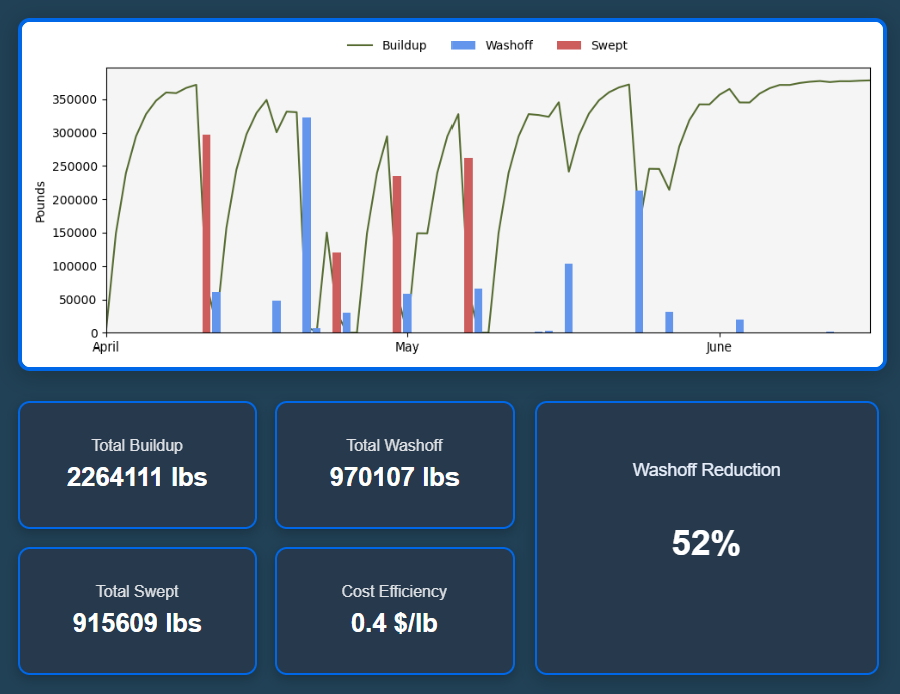
Model the transport of pollution as a function of buildup, washoff, and sweeping removal. Throughout the studied road network, we can simulate sweeping strategies, and review summary metrics showing pollution reduction performance.
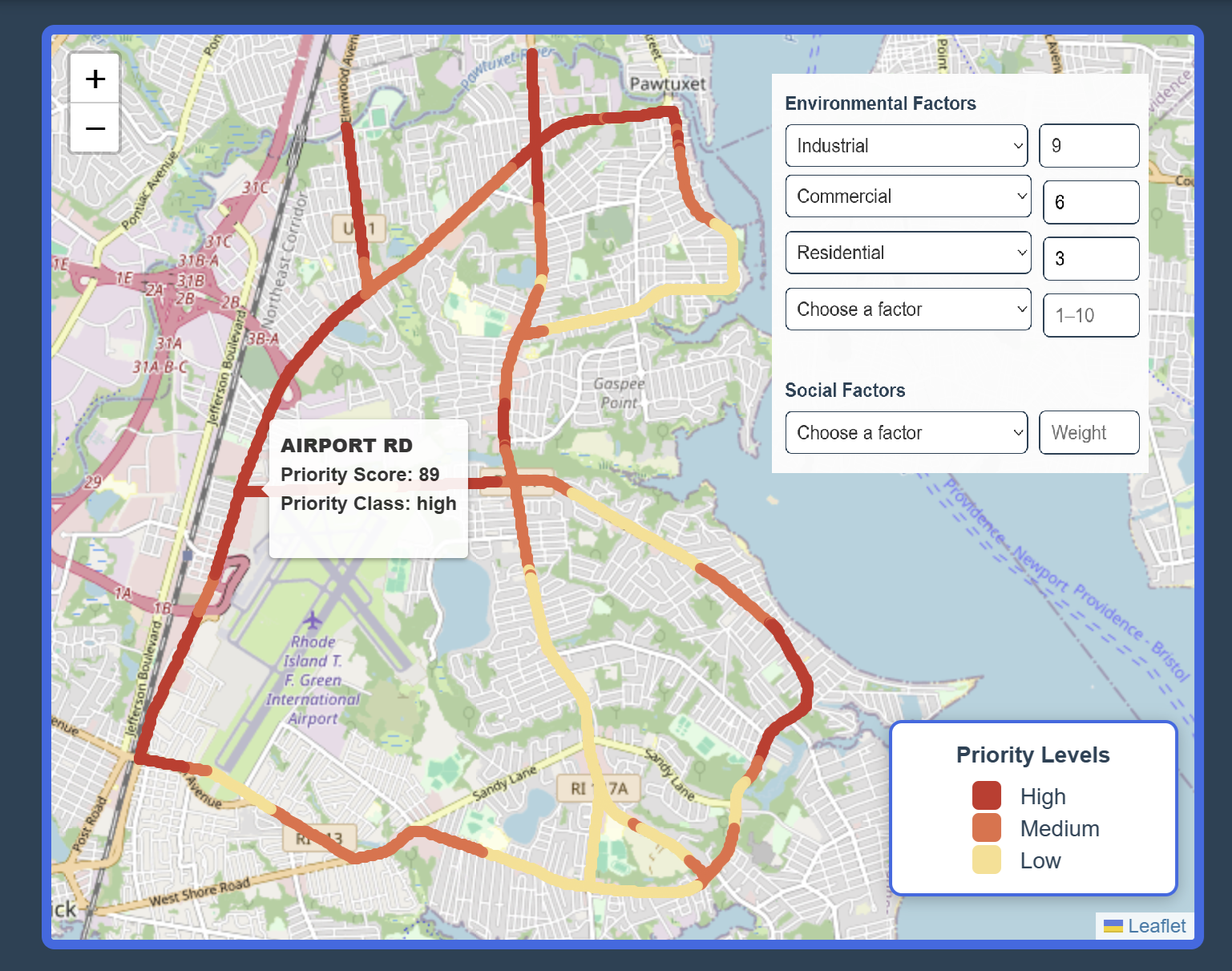
Rank road segments by environmental and social factors. Apply weighted criteria such as land use, canopy coverage, and neighborhood features to identify high-priority streets that provide the largest water-quality benefit when swept.
Calculate the most cost-effective sweeping schedules and optimal sweeper routes based on pollutant reduction performance and operational constraints.